
Dalhousie University · 2018–2024
Designing Trauma-Informed Medical Education at Scale
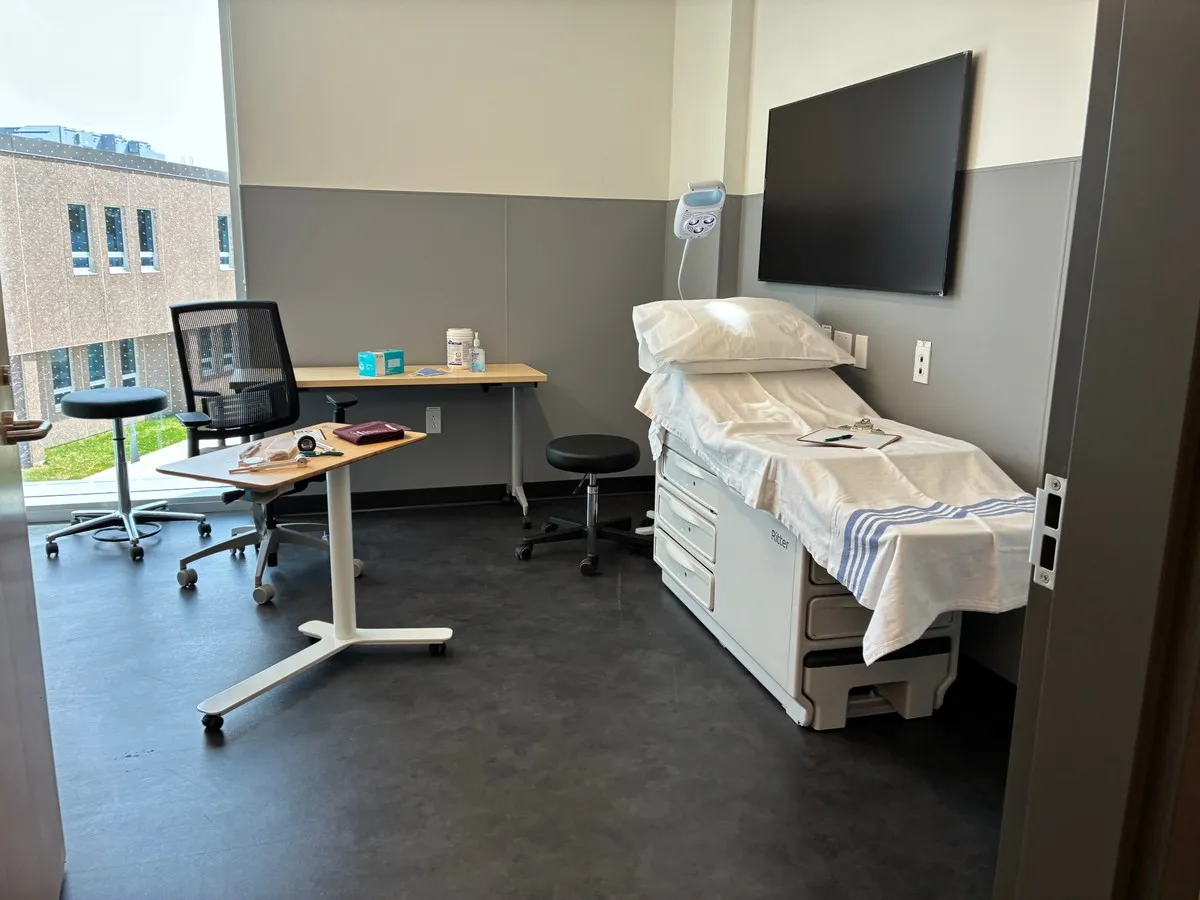
How do you teach an invasive clinical examination—quickly, thoroughly and without repeating the dynamics of trauma?
The assignment
Condense a semester of clinical study into sixty minutes.
The patients are survivors of severe, potentially life-threatening physical assault.
Patients must now undergo a pelvic exam which will test for/gauge the extent of injuries. This test, in some ways, replicates the physical trauma they have experienced.
The medical professionals are examining the patients with the goal of creating a record of the physical trauma, as well as gathering data for potential diagnoses.
I have to devise a learning programme which condenses a full semester of clinical examination study into a 60 minute session to be delivered by two Sensitive Exam Teaching Associates (SETAs) who will serve as simulated patients.
Instructional Designer
Researcher
30 workshops
The constraint
Everything mattered.
I had one hour.
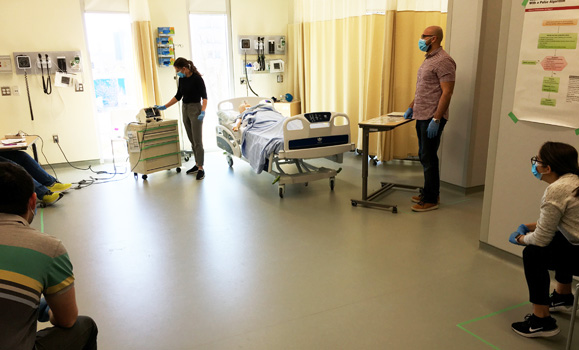
Two Sensitive Exam Teaching Associates—serving as simulated patients—had to brief pairs of learners and observe each learner completing the practicum.
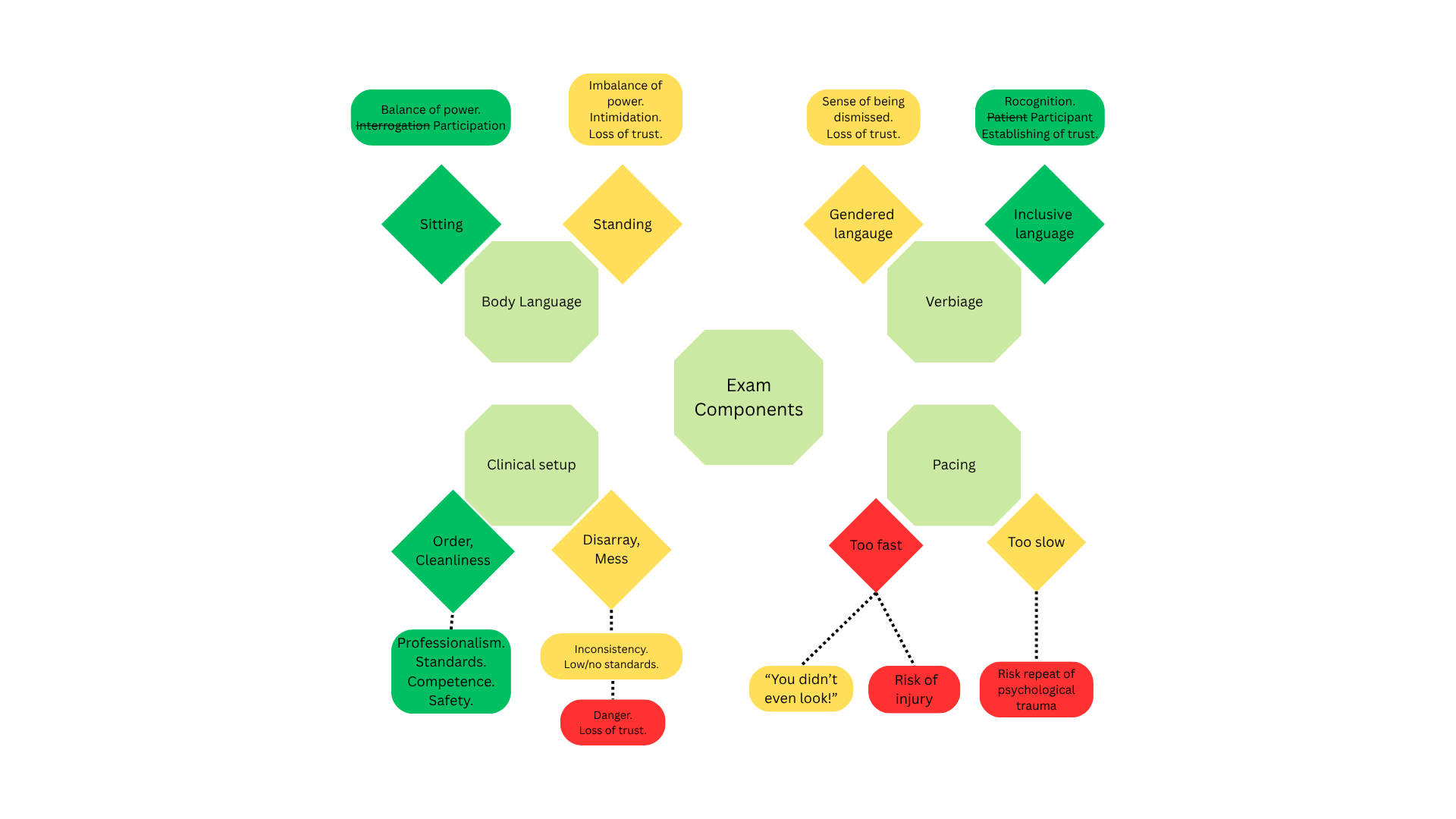
The curriculum covered four interconnected systems:
- Clinical setupWhich tools are needed, where they belong and why their order signals competence and safety.
- Body languageTalk before touch, hand placement, eye contact, and the difference between standing over someone and sitting beside them.
- Verbal communicationInclusive language, accurate nomenclature and words that preserve trust rather than quietly diminish it.
- PacingFast enough to minimise time under stress; deliberate enough that the patient never feels rushed or dismissed.
Two perspectives
I was designing for the learner and the patient at the same time.
How do I make training efficient, engaging and memorable for anxious, exhausted medical professionals?
How do I keep the room light enough to learn in, without making the context feel light?
How do I make a thorough examination feel participatory rather than invasive?
How do I build an inclusive experience that gives future patients confidence to come forward?
Iteration
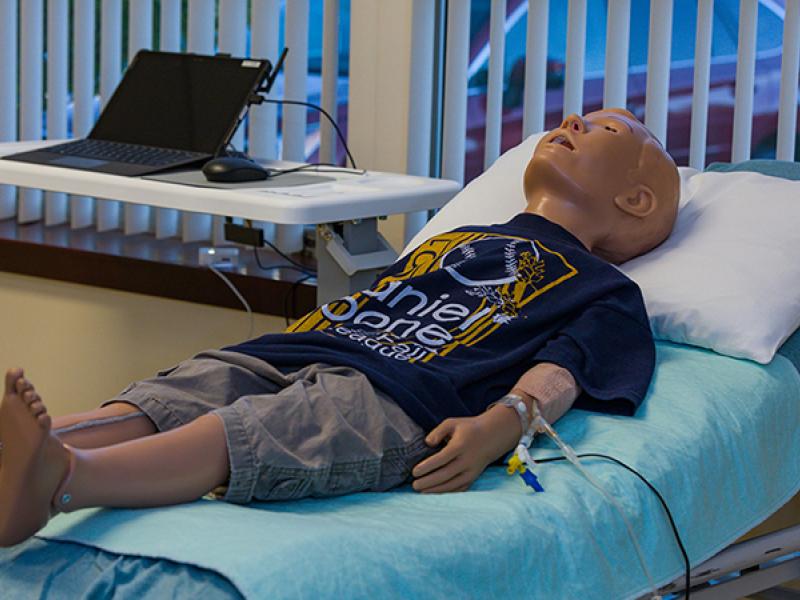
Instruction during the exam—or preparation before it?
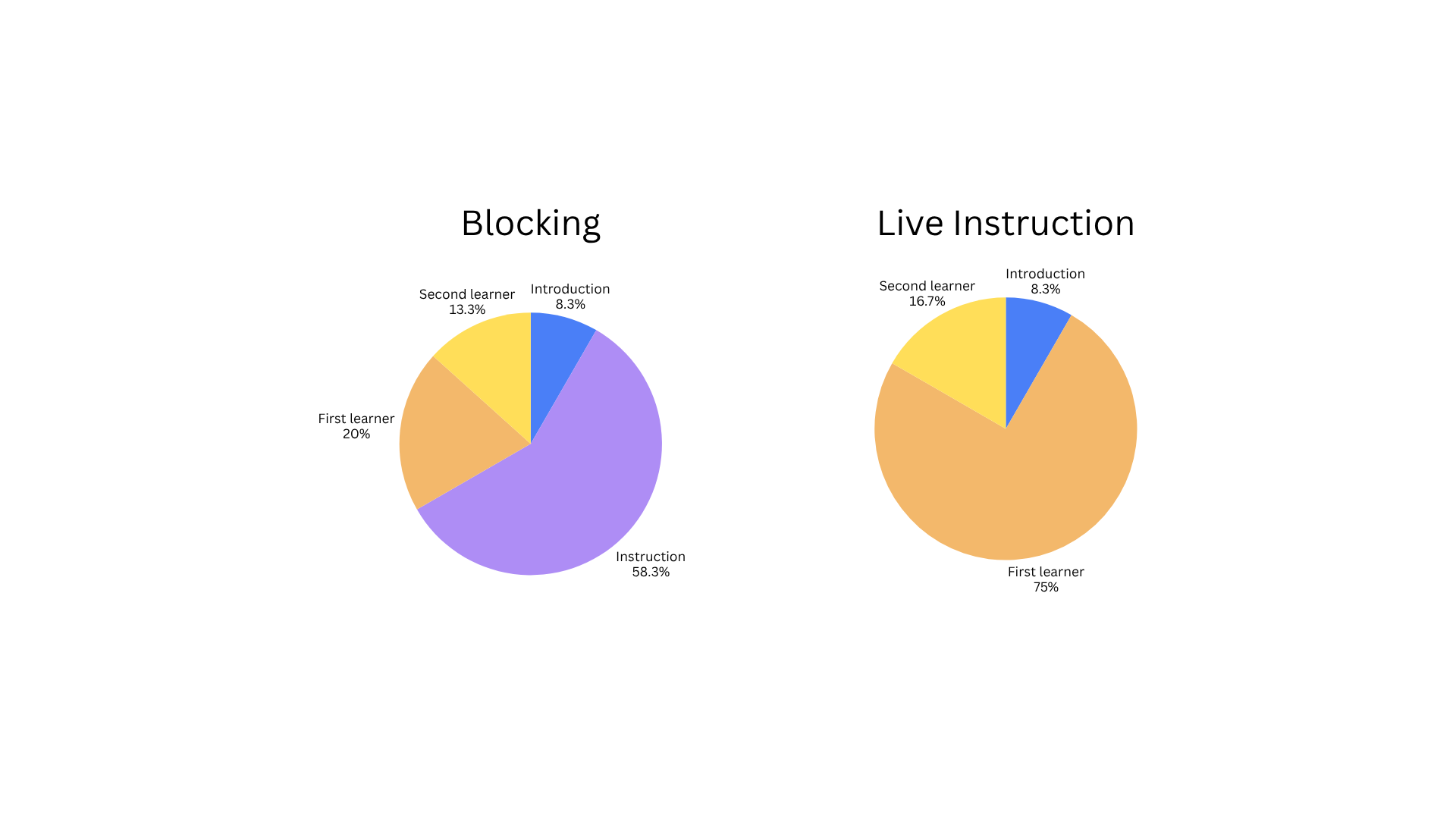
Learn while performing
After a short introduction, learners were walked through the examination in real time. It created more room for questions, but forced them to assume the clinical role before they had time to prepare.
Learn, absorb, then perform
Instruction and practice became distinct blocks. Learners understood the role, constraints and procedure before approaching the simulated patient. The result was calmer, faster and substantially more effective.
The final system
Forty minutes to show.
Twenty minutes to prove.
The final model combined self-guided study with a strictly regimented clinical tutorial. Roughly forty minutes covered setup, physical communication, verbal communication and the examination itself.
The remaining time was protected for two learners to demonstrate the complete experience.
Blocking worked because it recognised preparation as part of performance.
The first learner typically completed the simulation in 10–12 minutes. The second, having observed once, completed it in roughly 4–8 minutes—approaching real clinical timing.
Results
The system made the examination faster.
More importantly, it made care feel safer.
My personal reward was knowing I contributed positive change to an overworked, under-funded healthcare system—and gave future medical professionals the skill and confidence to care for survivors better.